How Wildlife Survives Texas Winters.
🦝 How Wildlife Survives Texas Winters
Introduction
When most people think of Texas, they picture endless sunshine and summer heat. But winter does come — and when it does, Texas wildlife has to adapt fast. From raccoons and armadillos to bats and birds, animals across the state rely on fascinating instincts and hidden shelters to survive cold snaps.
For homeowners, this seasonal shift often means one thing: critters searching for warmth in all the wrong places — like your attic!
Let’s take a closer look at how wildlife endures the chill of a Texas winter, what it means for your home, and how you can help protect both your property and the creatures we share it with.

❄️ 1. Texas Winters: Short, Sharp, and Sneaky
Unlike northern states, Texas winters are mild — until they aren’t. One week it’s sunny and 70°, and the next, a hard freeze hits. These rapid swings are tough on wildlife.
Animals that thrive in warmth must quickly find shelter when temperatures drop, leading to an increase in wildlife sightings near homes.
Common winter survivors in Texas include:
Raccoons – resourceful and highly adaptable.
Squirrels – build warm nests in trees or attics.
Bats – migrate south or huddle in warm, dark spaces.
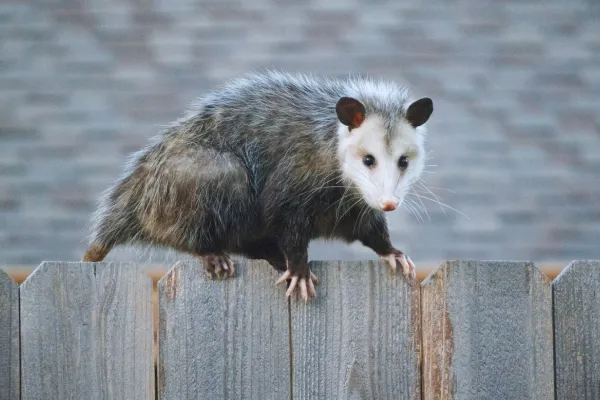
Opossums – use dens under porches or sheds.
Birds – seek out feeders, barns, and tree canopies.
🌿 2. The Art of Adaptation
Texas wildlife doesn’t just hide during winter — it adapts.
Here’s how some of our most common species survive the cold:
🦝 Raccoons
Raccoons don’t hibernate, but they slow down when food is scarce. They often use attics, chimneys, or abandoned burrows for warmth.
🦇 Bats
Most Texas bat species migrate south, but some (like the Mexican free-tailed bat) ride out winter in protected spaces — including attics and barns.
🐿️ Squirrels
They stockpile acorns and rely on insulated nests, but if a freeze lingers, your attic becomes a tempting backup plan.
🦨 Skunks & Opossums
These animals dig shallow burrows or squeeze under sheds, decks, or crawlspaces.
🐦 Birds
While some migrate, others adapt locally — relying on human-made structures and backyard feeders for survival.

🏡 3. Why Animals End Up in Attics
As nighttime temperatures drop, attics, basements, and garages start to feel like cozy hotels for cold critters.
Animals choose these spots because they’re:
Warm and insulated
Safe from predators
Close to food sources
Sheltered from wind and rain
Unfortunately, this can lead to damage — from shredded insulation to chewed wires and contamination from droppings.
If you hear scratching or rustling at night, it’s likely an animal seeking shelter.
Learn how Attic Decontamination restores a safe, healthy environment after wildlife removal.
🧭 4. How Texas Wildlife Survives Without Hibernation
Most animals in Texas don’t fully hibernate — it simply doesn’t get cold enough. Instead, they enter a torpor state: a short-term energy-saving mode.
Bats slow their heart rates dramatically while hanging in clusters.
Raccoons and skunks sleep for days during cold spells, then resume normal activity when temperatures rise.
Snakes and lizards burrow underground or under rocks to conserve warmth.
This flexible adaptation helps wildlife survive unpredictable winters, but it also means they’re still active — and still looking for shelter when the mercury drops.
The Texas Parks & Wildlife Department offers detailed insights into local animal behavior through winter.
🌬️ 5. The Hidden Dangers of Wildlife in Your Home
While it’s fascinating to learn how Texas wildlife survives winter, these behaviors can pose problems when they happen inside your home.
Common issues include:
Chewed insulation and wires (fire risk)
Contaminated air from droppings and urine
Structural damage from gnawing or nesting
Health hazards like parasites or bacteria
That’s why prevention and humane removal are so important.
Check our Attic Insulation Energy Savings Blog to see how insulation upgrades can also keep animals out.
🧰 6. How to Protect Your Home While Respecting Wildlife
The goal isn’t to harm wildlife — it’s to prevent unwanted guests while letting nature thrive safely outdoors.
Here are a few humane prevention steps you can take:
Seal cracks, soffits, and roof vents with durable materials.
Trim tree branches 6–8 feet from your roofline.
Store pet food and trash in sealed containers.
Add motion-activated lights to deter night visitors.
Schedule a professional attic inspection before winter.

Learn more about humane wildlife control from the City of San Antonio's website.
🌎 7. Helping Wildlife the Right Way
Want to support Texas wildlife without inviting them indoors? Here are some simple ways:
Install birdhouses and bat boxes away from your home.
Plant native trees and shrubs for food and shelter.
Provide clean water sources like birdbaths.
Avoid using toxic pest control — it harms beneficial species.
These steps keep nature balanced while protecting your home.
Explore our Texas Wildlife Winter Habits Blog for more fascinating animal behavior insights.
💰 8. When to Call a Professional
If you notice scratching sounds, droppings, or damaged insulation, it’s time to call in a wildlife removal expert.
Professional teams (like Attic World!) will:
Identify the animal
Safely and humanely remove it
Clean and sanitize the area
Seal entry points to prevent reentry
DIY attempts often make things worse — especially if babies or protected species are involved.
Summary: A Gentle Balance Between Home and Habitat
Texas wildlife is incredibly resilient. From bats and raccoons to squirrels and skunks, these creatures use clever adaptations to survive unpredictable winters.
But when those instincts lead them into your attic, your home can quickly become part of their survival strategy.
By learning how they live — and by protecting your attic with insulation, sealing, and inspections — you can keep your home secure while respecting the wildlife that makes Texas so unique.
📞 Contact Us
Ready to wildlife-proof your home before winter sets in?
Call (210) 966-8373 or email [email protected] for expert attic inspections, insulation, and humane wildlife prevention services across the Texas Hill Country.
